Hunting has always been more than a pastime for many outdoor enthusiasts. It brings adventure, challenge, and a deep connection with nature. However, like any activity that involves risk, hunting also requires preparation for the unexpected. Hunters need not only skill and caution but also the right insurance to protect themselves, others, and their valuable gear. Understanding the different types of hunting insurance can make a big difference in how safe and enjoyable each trip becomes. With several options available, choosing the best coverage can sometimes feel overwhelming. By learning about the main types of hunting insurance, hunters can make informed decisions. Each kind of insurance serves a specific purpose. Together, they ensure hunters can focus on the experience while feeling protected.
Understanding the Basics of Hunting Insurance Coverage
Hunting insurance offers financial security for hunters facing unpredictable situations. For many, the wilderness is full of unknowns, so having insurance can bring peace of mind. Common insurance policies for hunters cover accidents, liability, and gear loss. Each policy type addresses a different need, ensuring comprehensive protection. Companies usually offer customizable plans, allowing hunters to select coverage tailored to their specific activities. While some might think only professionals need such coverage, even hobbyists can benefit. Insurance not only protects individuals but also helps safeguard their families. Moreover, many hunting locations and clubs require proof of insurance before participation. As a result, understanding the basics is crucial for every hunter.
The process of obtaining hunting insurance is generally straightforward. Most insurers provide clear guidelines and requirements. Hunters often need to share details about their experience, equipment, and trip details. Based on this information, insurers calculate premiums and coverage limits. Selecting the right policy involves comparing price, coverage, and any exclusions. While some hunters prefer standard packages, others opt for tailored solutions. A well-chosen policy can prevent financial hardship after accidents or loss. Comprehensive knowledge allows hunters to feel confident in their coverage choices.
Many hunters underestimate the value of basic insurance until they face unexpected incidents. Accidents can happen at any time, even to the most experienced individuals. By investing in hunting insurance, hunters take a responsible approach. This level of preparation also encourages safe and ethical hunting practices. Insurance providers often promote safety awareness as part of their service. A thorough understanding of the basics of hunting insurance benefits both new and seasoned hunters. Over time, the right coverage becomes an essential part of every successful hunting outing.
Exploring Different Types of Hunting Insurance for Liability
Liability insurance is one of the most important forms of protection for hunters. It covers the costs if a hunter accidentally injures someone else or damages property during a trip. Because hunting often occurs on shared or public land, the risk of unintentional harm increases. Without liability insurance, a simple accident could lead to expensive legal battles. Many states and outfitters even require proof of liability coverage before allowing hunters to participate. Protecting others is just as important as safeguarding oneself.
Liability insurance does more than cover medical bills or property repairs. It also helps cover legal defense costs if someone files a lawsuit. Hunters who accidentally injure another person may face court fees and settlement expenses. Having the right insurance ensures these costs do not become overwhelming. Most policies have coverage limits and certain exclusions, so reading the fine print is vital. Comparing several plans can help hunters find the best combination of protection and affordability. Making an informed choice reduces stress and potential financial loss.
Over time, liability insurance has become a standard expectation among responsible hunters. Even experienced hunters cannot predict every scenario in the field. A momentary lapse in judgment or a stray shot can have serious consequences. By carrying liability insurance, hunters demonstrate accountability and respect for their fellow outdoor enthusiasts. Many hunting clubs and groups promote these policies as part of a broader safety culture. When everyone is protected, the hunting community becomes safer and more welcoming. Liability insurance remains a cornerstone of smart, ethical hunting.
Comparing Equipment and Gear Protection Plans
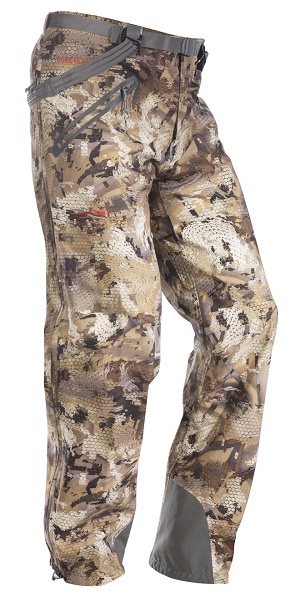
Hunting gear can be a significant investment, sometimes costing thousands of dollars. Equipment and gear protection plans offer financial coverage against loss, theft, or damage. Many hunters rely on specialized firearms, optics, and clothing, making gear protection especially important. Even careful hunters can experience accidents that ruin essential equipment. While warranties may cover manufacturing defects, only insurance covers losses from theft or unforeseen events. With the right plan, hunters do not have to worry about replacing costly items out of pocket.
Equipment protection plans vary in scope and price. Some policies cover only major items, such as firearms and bows. Others offer broader protection for clothing, tents, and other accessories. Comparing several plans helps hunters find one that fits their budget and needs. Insurers may require photos, receipts, or serial numbers for covered items. Providing detailed information during enrollment ensures claims are processed smoothly. Understanding policy limits and exclusions prevents unpleasant surprises later.
Having gear protection allows hunters to focus on their adventure rather than worrying about expensive losses. Whether hunting locally or traveling to distant areas, insurance provides peace of mind. Even well-maintained equipment can be stolen or damaged by weather. Some policies even offer worldwide coverage, which is useful for those who hunt internationally. Reliable protection ensures hunters always have access to the tools they need. By safeguarding equipment, hunters can continue pursuing their passion without unnecessary financial strain.
Evaluating Personal Accident Insurance for Hunters
Personal accident insurance covers injuries that may occur while hunting. Accidents can happen unexpectedly, even for those who follow every safety guideline. Hunters often face risks like slips, falls, or accidental weapon discharge. Medical expenses from these incidents can add up quickly. With personal accident insurance, hunters receive financial help for medical bills and recovery costs. This type of coverage is especially valuable for those who hunt in remote areas with limited access to healthcare.
Most personal accident insurance policies are flexible. Coverage can include hospital stays, surgeries, and rehabilitation expenses. Some plans also pay out a lump sum in case of permanent disability or accidental death. Hunters should carefully review each policy. Comparing several options ensures that coverage meets their needs and budget. Some insurers even offer additional support, such as emergency evacuation or transportation services. With the right plan, hunters can feel secure every time they venture into the wild.
Personal accident insurance also benefits families who rely on hunters for support. If a serious injury keeps someone from working, insurance can help cover daily expenses. The reassurance that help is available allows hunters to enjoy their trips more fully. Responsible hunters plan for every possibility, and accident insurance is a key part of that preparation. By evaluating available options, hunters can choose the coverage that best fits their lifestyle. The right insurance can make recovery easier after an unfortunate event.
Conclusion on Different Types of Hunting Insurance
Hunting insurance plays a vital role in making every hunting trip safer and less stressful. Given the many potential risks, proper insurance coverage provides peace of mind for hunters and their loved ones. Whether considering liability protection, gear insurance, or personal accident coverage, each type addresses specific needs. By understanding the basics, hunters can make informed choices about which plans to purchase. Comparing options ensures each hunter finds affordable, comprehensive coverage. Liability insurance protects against costly mistakes, while gear protection helps hunters avoid losing expensive equipment. Then, personal accident insurance steps in when injuries occur, helping with medical bills and recovery. Every insurance type works together to create a safety net.